Classic cars of all makes
Preserving history.
Caring for every detail.
Complete restorations and targeted work in Cambiago, in the Milan area. We start with the car’s condition and your objective.
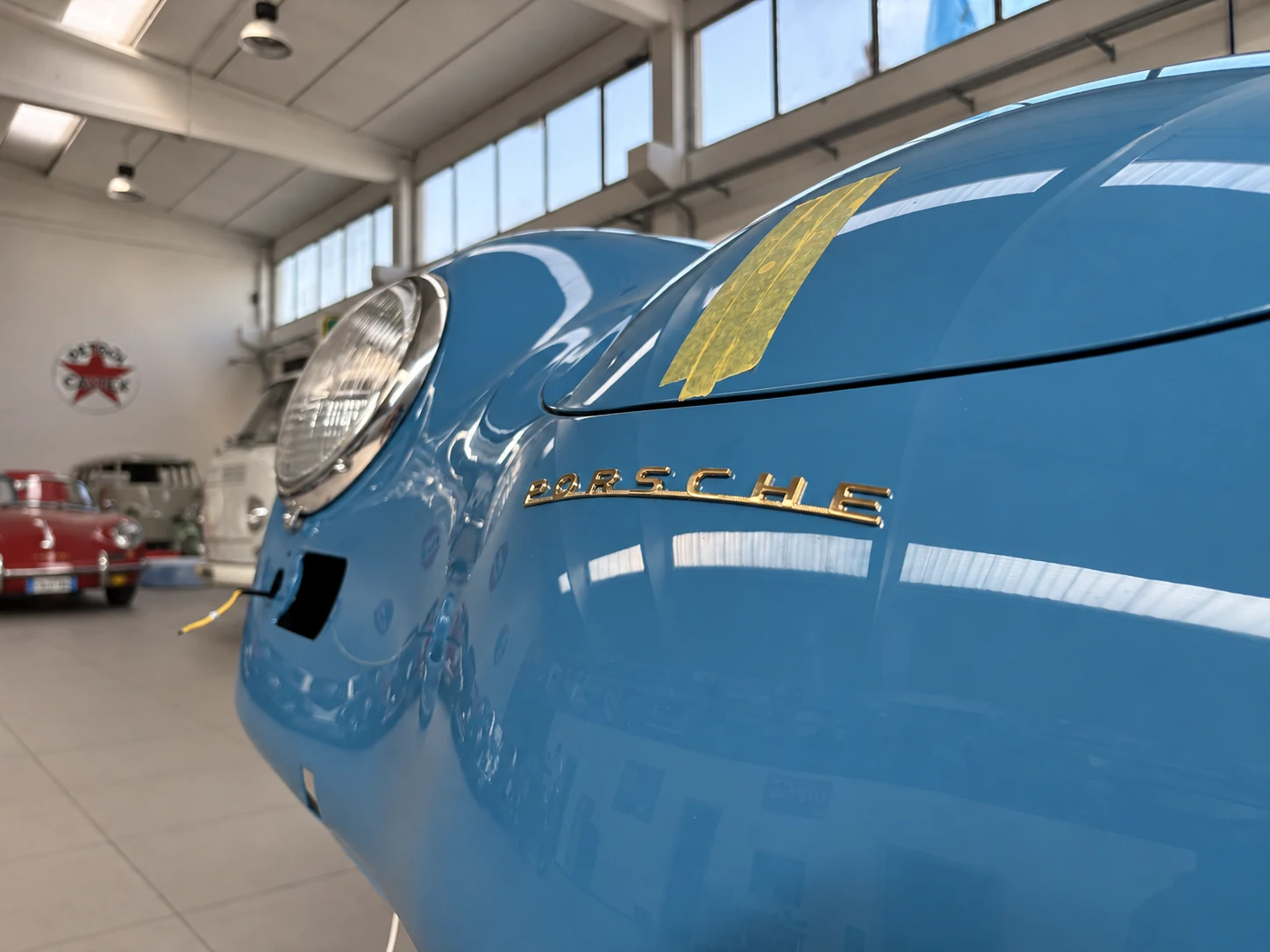
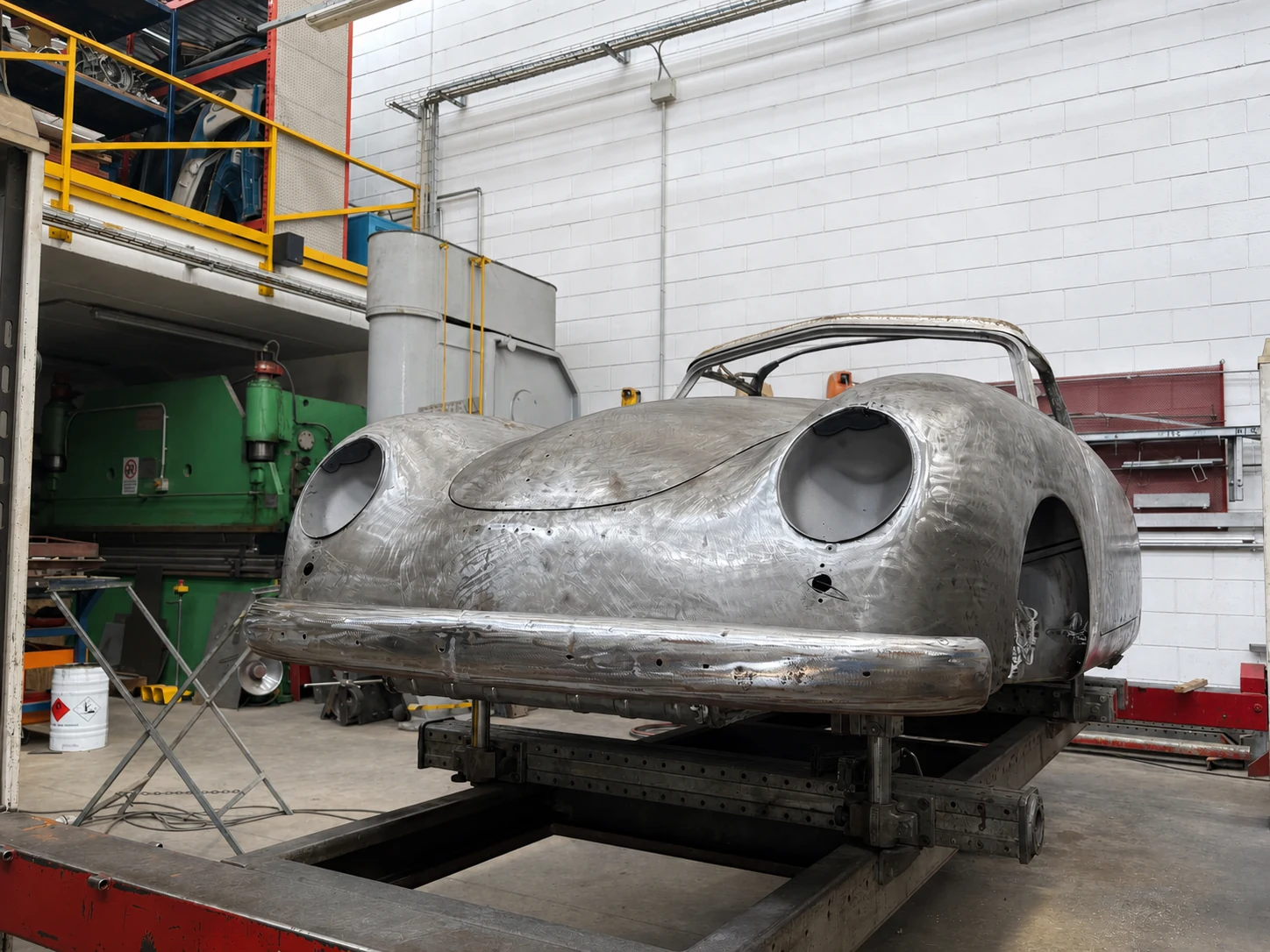
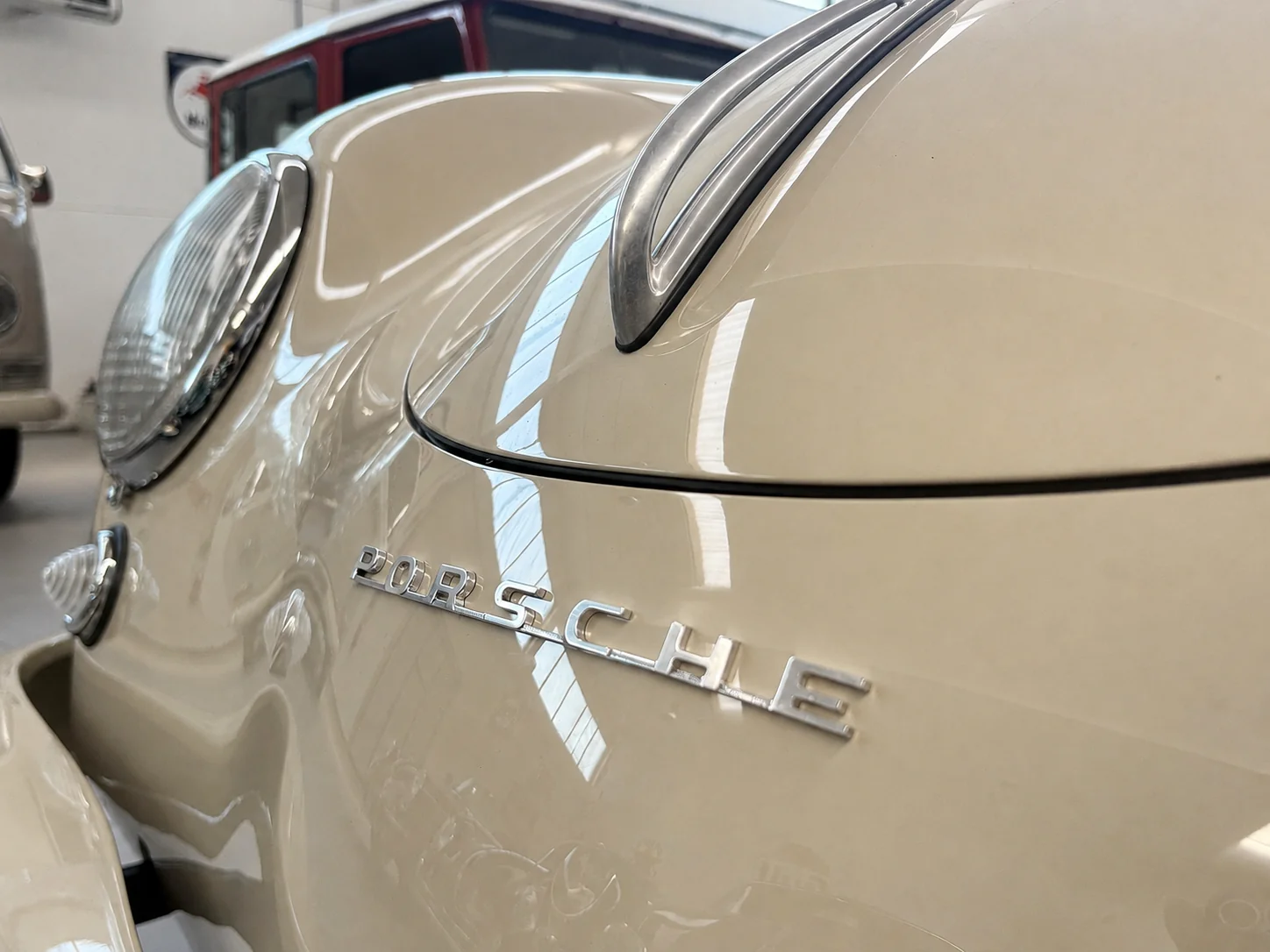
Photographs of the 1953 Pre-A 1500 Cabriolet show the transition from exposed metal to details of the ivory bodywork. The project is in progress.
The process
A project shaped
around your car.
Body shell, mechanical components, systems and finishes.
Every operation has a purpose and a scope to agree together.
01Assessment and estimate
We examine the car’s condition, available documentation, previous work and the owner’s objectives. A car that has stood for years and one that is already usable require different assessments. Photographs allow an initial discussion; hidden corrosion, alignment and mechanical condition require direct checks.
The choice may favour preserving components that remain sound, partial restoration or complete restoration. The scope must clarify what will be dismantled, which checks will be needed and which decisions depend on conditions discovered during the work.
02The work in detail
When a project calls for complete restoration, the process includes dismantling and cataloguing, body shell and metalwork, preparation and painting, mechanical systems, electrics, interior and reassembly. Recoverable components are assessed before deciding on replacement.
Body shell, panel fit and surfaces
Understanding the structure comes before finishing. Floors, sills, mounting points and joints need examination alongside any previous repairs. Doors and lids must be assessed for shape, alignment and operation: consistent gaps between panels are among the details requiring attention before painting.
The 1953 Pre-A 1500 Cabriolet in the photographs shows two stages of the same project: exposed metal and details of the ivory bodywork during the work. Follow the 1953 Pre-A project.
Mechanical and other systems: check before replacing
The engine and transmission must be assessed for wear and operation, along with brakes, steering and suspension. Any overhaul requires measurements and technical references for the model: cleaning a component externally does not reveal its internal condition.
For the electrical system, the car’s specification, insulation condition, connections and protection where wiring passes through the bodywork all matter. Checks accompany reassembly, while components are still accessible.
Reassembly, finishing and checks
Seals, lights, instruments and trim must work together again without damaging surfaces. The dashboard of the 1954 Speedster documents this stage, with instrument openings still empty and wiring visible. The project is in progress.
Final testing addresses the car’s operation and its consistency with the agreed work. Stationary checks and road tests must be defined according to the interventions carried out.
03Originality and preservation
Colour, materials and components must be considered alongside the car’s history. We distinguish documented facts from matters requiring research. The work and any changes to its scope are discussed with the owner: new paint alone does not demonstrate a complete restoration.
To explore the needs of individual models, see the restoration pages for Porsche 356 and classic Porsche 911s.
Before restoration
The questions to start with.
How much does a complete restoration cost?
It depends on condition, the extent of the work, replacement parts and the final objective. A reliable estimate requires assessment of the car; we do not offer one standard price for every vehicle.
Is it always necessary to dismantle the car completely?
No. The scope is defined after assessment: conservation work or a partial intervention may better suit the condition and the owner’s objectives.
Which photographs help with an initial assessment?
Overall views, the cabin, engine bay and details of known issues are useful. Include the model, year, any previous work and intended use. Images help establish the discussion, but do not replace an inspection.
SC Classic · Cambiago, Milan
Let’s talk about your car.
Model, year, history and a few photographs.
The first step is a direct conversation.